
Mistakes you should avoid when building a house
Building a house is one of those decisions where small mistakes can end up costing a lot.
Not only in terms of money, but also time, delays, last-minute changes, or spaces that later do not work as expected.
That is why, before starting construction, it is worth identifying the most common mistakes and making decisions more carefully. A well-built house does not depend only on good materials. It depends on an organized process, a coherent design, and constant supervision.
Starting without being clear about how the house will be lived in
One of the most common mistakes is thinking first about the shape of the house and only afterward about the life that will take place inside it.
Before defining square meters, façades, or finishes, it is important to understand the family’s routines.
Where they gather. How much time they spend at home. What spaces they truly need. Whether they receive visitors. Whether they work from home. Whether they need more storage, privacy, or outdoor areas.
According to Falconi, the house should respond to the people who live in it, rather than becoming an imposition of the design.
When this is not analyzed from the beginning, impractical spaces or areas that look good but do not function as they should may appear.
Designing without thinking about construction
A project may look very good on paper and still be complicated or expensive to build.
Unnecessarily complex details, materials that are not suitable for the location, or solutions that are difficult to maintain can increase the budget and complicate construction.
Architecture and construction should not move forward separately.
According to Falconi, construction experience makes it possible to anticipate decisions that are often not visible in the initial design.
Thinking from the beginning about how the project will be built helps avoid major changes once construction is already underway.
Defining the budget too late
Another common mistake is designing the entire house and only afterward asking how much it will cost.
This can create a large gap between what the client imagined and what can actually be built.
The budget should be part of the project from the earliest stages.
Not to limit every decision, but to establish priorities.
There may be elements where it is worth investing more and others where a simpler solution works perfectly well.
When the budget is incorporated from the beginning, it is easier to maintain a coherent relationship between design, materials, size, and level of finishes.
Choosing only based on the lowest price
Comparing estimates is necessary. Choosing only the cheapest one can be a problem.
Two quotes may look similar but include different scopes of work.
One may include certain materials, installations, or finishes while another leaves them out. There may also be differences in quality, timelines, supervision, or responsibilities.
Before deciding, it is important to review what each proposal includes and what could be charged separately later.
A clear budget is usually more useful than an attractive number that does not explain where it comes from.
Not reviewing the land properly
The land influences many decisions in a home.
Slope, access, orientation, soil type, drainage, climate, and surroundings can change the way a house is designed and built.
Ignoring these conditions can lead to costly adjustments later.
For example, a steep slope may require earthworks, retaining walls, or structural solutions that were not initially anticipated.
Before designing, it is important to understand the land. Not the other way around.
Changing too many decisions during construction
It is normal for adjustments to arise during construction.
What should be avoided is constantly changing important elements once the work has already progressed.
Changing walls, installations, windows, finishes, or layouts can affect materials that have already been purchased, completed work, and construction timelines.
That is why it is so important to define the project well before starting.
The clearer the house is during the design stage, the fewer improvised decisions there will be later.
Not allowing room for unexpected issues
Every construction project has variables.
There may be changes in materials, site conditions, product availability, or technical adjustments that were not evident at the beginning.
Expecting nothing to change may be unrealistic.
What matters is having planning that is clear enough and the ability to respond when an unexpected issue arises.
A reasonable margin within the budget and schedule can prevent any adjustment from disrupting the entire project.
Not monitoring the construction consistently
A construction project needs ongoing follow-up.
It is not enough to hand over the plans and wait until the end.
During construction, there are decisions, checks, coordination, and details that need to be reviewed.
Supervision helps identify problems before they progress too far and helps maintain consistency between what was designed and what is actually built.
According to Falconi, supporting the construction process also means explaining, correcting, and resolving issues when the project requires it.
Experience does not prevent problems from arising. It helps solve them better.
Thinking only about how the house looks
Aesthetics matter, but they should not be the only criterion.
A house should also be comfortable, easy to use, and suitable for everyday life.
Uncomfortable circulation, spaces without storage, poor natural lighting, or impractical layouts can affect the experience of living in the house much more than an aesthetic decision.
A good home finds a balance between appearance, functionality, and construction.
Frequently Asked Questions
What is the most common mistake when building a house?
One of the most common mistakes is starting without having a sufficiently clear understanding of the family’s needs, the budget, and the conditions of the land.
When these elements are not defined from the beginning, major changes often arise during construction.
Is it bad to change things during construction?
Not necessarily. Some adjustments are normal.
The problem arises when important decisions are changed constantly, because this can increase costs, create rework, and delay the project.
How can I avoid cost overruns when building?
By defining the project properly, reviewing the scope of the budget, avoiding unnecessary changes, and monitoring the construction process.
It is also important to identify from the beginning which decisions may have the greatest financial impact.
Should I have everything defined before starting?
It is advisable to have the design, main materials, budget, and scope of work sufficiently clear.
Not everything can be anticipated, but the better defined the project is, the less need there will be to improvise during construction.
Conclusion
Building a house involves much more than simply starting construction.
The decisions made before construction begins are often the ones that have the greatest impact on the final result.
Understanding how the family will live, properly reviewing the land, connecting design and budget, comparing proposals correctly, and monitoring the construction process can prevent many problems later on.
It is not about eliminating unexpected issues completely. That is not always possible.
It is about facing them with a clear project, sound decisions, and enough experience to resolve them without losing direction.
More Articles
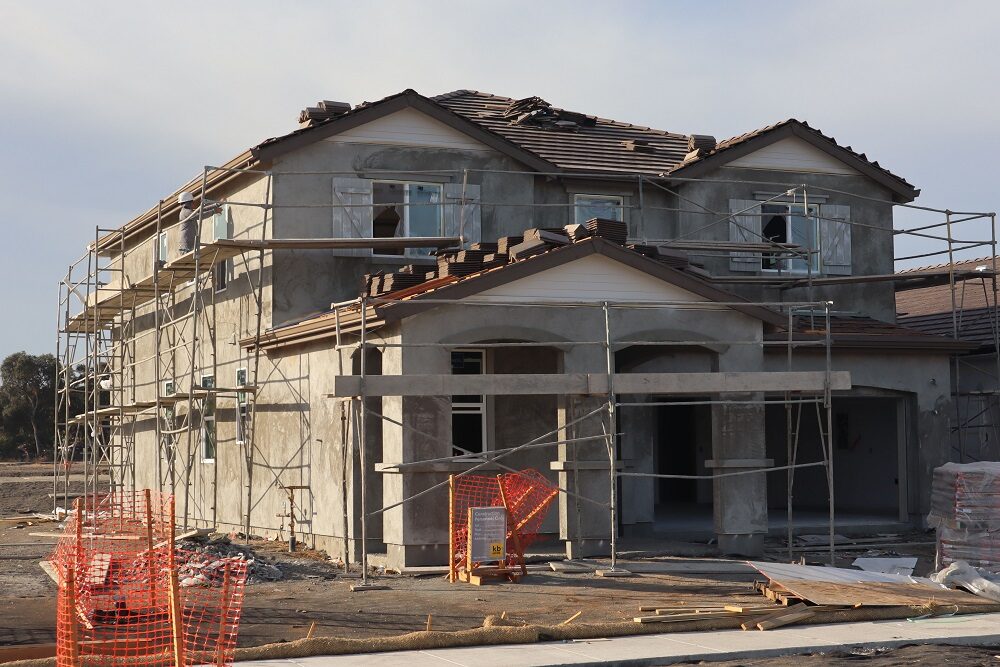
How long does it take to build a house in Ecuador?
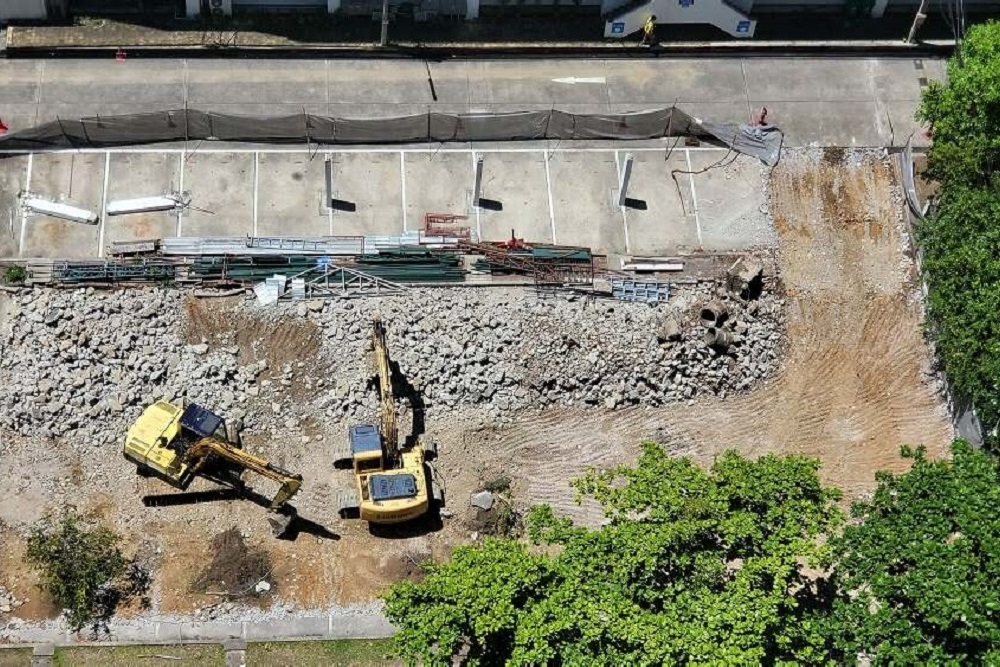
What should you check before buying land to build your home?

2 Responses