How long does it take to build a house in Ecuador?
Building a house requires time, planning, and a sequence of decisions that should not be rushed.
One of the most common questions before starting a project is: how long does it take to build a house in Ecuador?
There is no single answer. The timeline depends on the size of the home, the land, the level of design definition, permits, construction complexity, materials, and any changes that may arise during the building process.
That is why, rather than thinking only about a final date, it is useful to understand the stages involved in the process and what can help a construction project move forward in a more organized way or cause delays.
How long can it take to build a house?
As a general reference, a home may require several months of construction once the design is defined, permits are ready, and the work can begin.
However, the timeline can vary considerably from one project to another.
A smaller house, with a relatively simple structure and clear decisions from the beginning, can progress faster than a home with larger areas, basements, double-height spaces, special structural solutions, or a high level of customization.
It is also important to distinguish between construction time and the total project timeline.
Before construction begins, there are design, technical review, budgeting, permitting, and preparation stages that are also part of the process.
Design also takes time
A house should not begin construction as soon as there is an initial idea.
Before reaching the construction stage, it is necessary to understand the family’s needs, review the land, develop the architectural proposal, and define technical aspects that allow the project to be built with greater clarity.
This stage may include adjustments to the layout, materials, structure, systems, and budget.
According to Falconi, allowing enough time for the design stage helps reduce improvised decisions during construction and maintain greater consistency between the house that is designed and the one that is ultimately built.
Rushing this stage too much can generate later changes that end up consuming more time than was initially intended to be saved.
Permits can influence the schedule
Before building, it is necessary to review the requirements that apply in the corresponding municipality.
In Quito, for example, major construction interventions require a Metropolitan Urban Planning License LMU-20, which authorizes the start of construction once the corresponding regulations and technical requirements have been met.
Administrative timelines can vary depending on the type of procedure, the characteristics of the project, and the documentation submitted.
That is why permits should be considered within the planning process from the beginning and not left until the moment when construction is already expected to start.
Which stages have the greatest impact on construction time?
Although each home has its own process, there are several stages that usually determine the pace of construction.
Site preparation
Depending on the conditions of the lot, earthworks, grading, temporary access, excavation, or preliminary work may be required.
A flat site with easy access usually presents fewer difficulties than one with steep slopes or special conditions.
Foundations and structure
This stage defines an important part of the initial progress of the home.
Its duration will depend on the structural system, the size of the house, the conditions of the land, and the complexity of the project.
Installations
Electrical, plumbing, and other systems must be properly coordinated with the architecture and structure.
When late changes arise, this stage can lead to rework and delays.
Finishes
Flooring, wall coverings, carpentry, painting, lighting, fixtures, and other elements usually require many decisions and coordination among suppliers.
At this stage, the availability of certain materials can also affect the schedule.
What can delay the construction of a house?
Not all delays can be avoided, but many can be reduced through better planning.
Factors that can affect the schedule include major changes during construction, problems with the land, delays in materials, pending decisions from the client, weather conditions, or technical adjustments.
It can also happen that a seemingly small element affects several activities that come afterward.
For example, if a decision regarding installations is not resolved on time, it can delay enclosures, finishes, or built-in furniture.
According to Falconi, a well-coordinated construction process does not mean that unexpected issues will never arise, but rather that there is the ability to detect, analyze, and resolve them before they unnecessarily affect the rest of the project.
Do changes during construction increase the timeline?
Yes, especially when important elements are modified.
Moving a wall, changing a window, modifying an installation, or replacing materials can affect work that has already been completed or scheduled.
Some changes are normal and are part of the construction process.
The problem arises when many decisions that could have been resolved during the design stage are left open until construction.
The better defined the project is before starting, the greater the control that can be maintained over the schedule.
Is it advisable to establish an exact completion date from the beginning?
It is useful to work with a schedule, but it must be realistic.
Proper planning establishes stages, dependencies between activities, and approximate timeframes for each process.
However, construction does not operate as a completely rigid line.
There are variables that can change and require a certain degree of flexibility.
That is why, rather than promising a date without analyzing the project, the responsible approach is to build a schedule based on the design, site conditions, scope of work, and decisions that have already been defined.
How can the risk of delays be reduced?
One of the best ways to protect the schedule is to make important decisions before construction begins.
Properly defining the design, reviewing the budget, selecting the main materials, and coordinating technical aspects allows the work to progress with greater continuity.
It is also important to maintain follow-up throughout the entire process.
Falconi approaches its work as a sequence that includes understanding, designing, budgeting, building, and supporting the client, precisely to keep project decisions connected with the execution of the construction.
Frequently asked questions
How long does it take to build a medium-sized house?
It depends on the design, the land, the construction system, and the level of finishes. A responsible estimate should be made after understanding the actual scope of the project and not only based on the number of square meters.
Are permits included in the construction timeline?
Not necessarily. It is useful to distinguish between design time, permitting and preparation, and the specific period required for construction itself.
Does a larger house always take longer to build?
It generally requires more work, but size is not the only factor. Architectural complexity, structure, materials, and the level of customization also have an influence.
Can construction be accelerated?
Some stages can be optimized through good planning and coordination. However, accelerating technical or construction processes without proper judgment can lead to quality problems, rework, or additional costs.
Conclusion
Understanding how long it takes to build a house in Ecuador requires looking far beyond the months of construction itself.
Design, budget, permits, site conditions, structure, installations, finishes, and client decisions are all part of the same process.
Clear planning from the beginning helps establish more realistic expectations and reduce delays that could otherwise be avoided.
It is not simply about building faster.
It is about moving forward in an organized way, making decisions at the right time, and maintaining a coherent relationship between architecture, budget, and execution.
Más Artículos
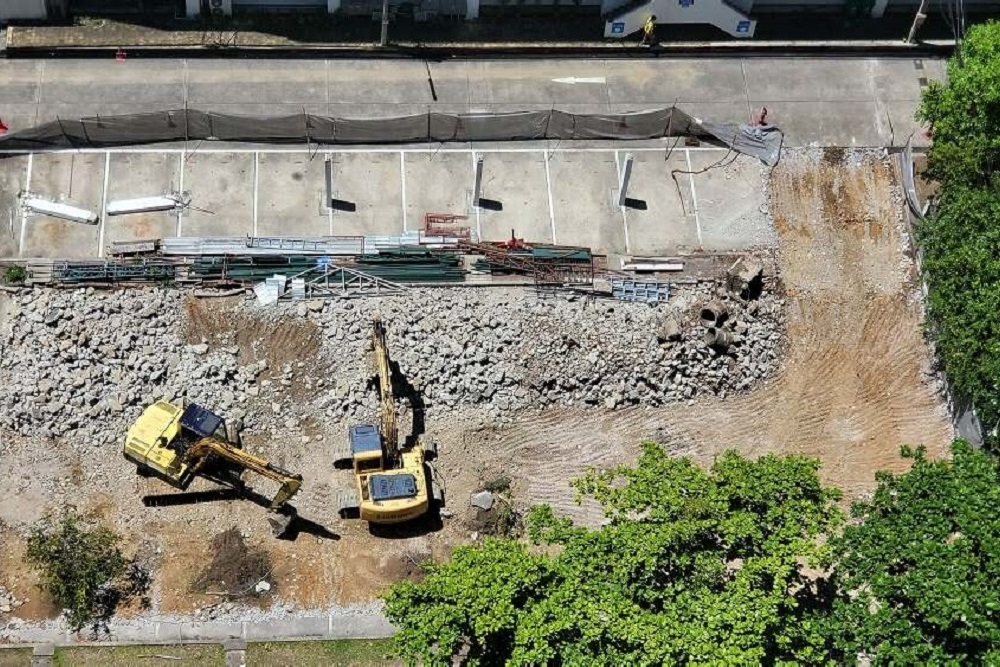
What should you check before buying land to build your home?
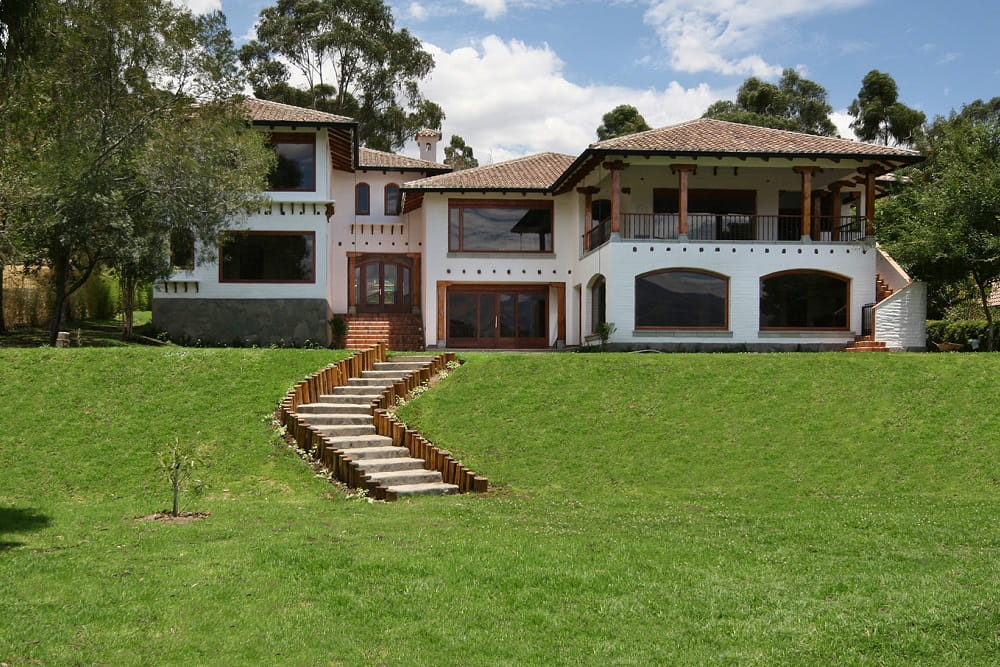
Mistakes you should avoid when building a house